UPS Ippon Na+ TA 3000

#9243354

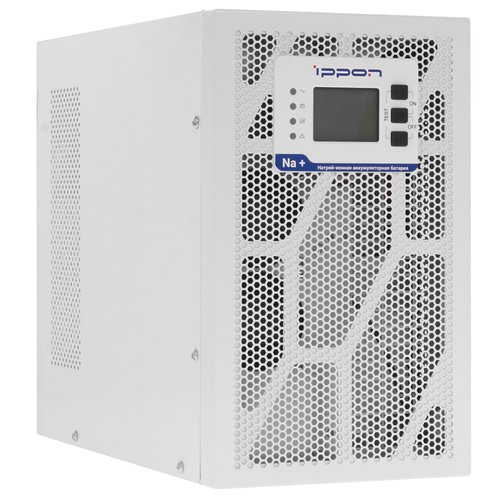
UPS Ippon Na+ TA 3000

[double conversion, 3000 VA, 3000 W, 1 x IEC 320 C19 (computer), 8 × IEC 320 C13 (computer), RS-232, SNMP slot, USB Type B] details

Not on sale
Total Output Power (VA)
  • Characteristics
  • Feedback 0
  • Instructions and files

Characteristics UPS Ippon Na+ TA 3000

General parameters

Type
UPS
Model
Ippon Na+ TA 3000
Manufacturer Code
[2049880]
Main Color
white
Type
double conversion
Form Factor
Tower

Technical parameters

Maximum Output Power
3000 VA
Effective Power Output
3000 W
Wave Form
pure sine wave
Runtime
4 min (3000W)
Delay When Switching to Battery
0 ms
Max Absorbed Pulse Energy
585 J
Efficiency
94.5 %
Safety Features
short-circuit protection, high-voltage surge protection, overload protection

Connectors

Number and Type of Power Output Connectors
1 x IEC 320 C19 (computer), 8 × IEC 320 C13 (computer)
Number of Power Output Connectors (UPS)
9
Connectors/Ports
USB Type B, RS-232, SNMP slot
Port Layout
vertical

Battery

Battery Type
sodium-ion
Charging Time
1 h
Battery Voltage and Capacity
12V/4.8Ah
Number of Batteries
8 pcs
External Battery Connection
none
Battery Included
yes

Additional Information

Functions and Modes
emergency power-off (EPO), ECO mode, bypass
Cold Start
none
Display
LCD display
Operating Temperature
from -20 to +40 °C
Package Contents
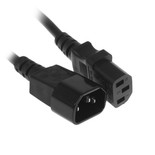
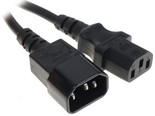
documentation, power cable x3, USB cable

Description

The Ippon Na+ TA 3000 UPS is designed to ensure uninterrupted operation of connected equipment. Thanks to the device, your computer, monitor, and TV will not fail during power surges or other network interference. In the event of a power outage, the UPS will help safely shut down devices and prevent loss of important data.
The Ippon Na+ TA 3000 UPS supports simultaneous connection of up to 9 devices via IEC ports. Sodium-ion batteries provide autonomous operation of connected equipment for 4 min at a power of 3000 W. The EPO connector allows remote shutdown of the UPS in case of an emergency. The device features protection against high-voltage pulses, short circuits, and network overloads.