2000 GB M.2 NVMe Storage MSI SPATIUM M580 FROZR [S78-440Q780-P83]

#5452777

2000 GB M.2 NVMe Storage MSI SPATIUM M580 FROZR [S78-440Q780-P83]

[PCIe 5.0 x4, read speed - 14600 MB/s, write speed - 12700 MB/s, 3-bit TLC, NVM Express, TBW - 1400 TB] details

Not on sale

  • Characteristics
  • Feedback 29

Characteristics 2000 GB M.2 NVMe Storage MSI SPATIUM M580 FROZR [S78-440Q780-P83]

General parameters

Type
SSD M.2 drive
Model
MSI SPATIUM M580 FROZR
Manufacturer Code
[S78-440Q780-P83]

Basic characteristics

Storage Capacity
2000 GB
Form Factor
2280
Physical Interface
PCIe 5.0 x4
M.2 Socket Key
M
NVMe
yes

Drive Configuration

Controller
Phison E26
Bits Per Cell
3-bit TLC
Memory Structure
3D NAND
DRAM cache
yes
DRAM Cache Size
4096 MB

Speed ​​Indicators

Max Sequential Read Speed
14600 MB/s
Max Sequential Read Speed
12700 MB/s

Reliability

SSD Longevity (TBW)
1400 TB
DWPD
0.38

Additional Information

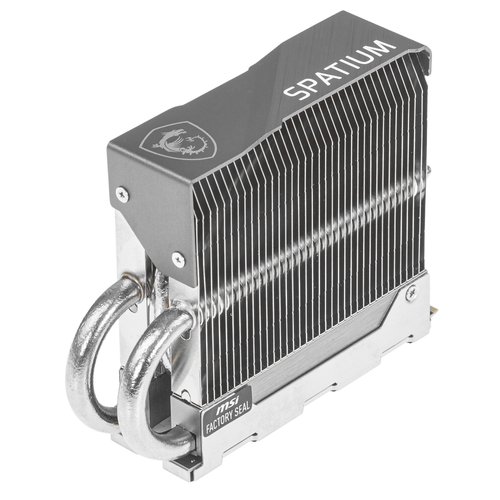
Radiator
yes
Energy Consumption
11.5 W
Features, Additional
aluminum radiator

Dimensions

Length
94.8 mm
Width
24 mm
Thickness
71.65 mm

Description

The MSI SPATIUM M580 FROZR [S78-440Q780-P83] M.2 NVMe SSD is a compact 2000 GB solid-state drive. Via the PCIe 5.0 x4 interface, it connects directly to a PC or laptop motherboard. Read speeds reach up to 14600 MB/s. With this drive, the operating system, applications, and games load faster than when using a SATA SSD bus. The drive can store up to 5-10 games of 70-150 GB, 100+ HD movies, and hundreds of thousands of photos.
The MSI SPATIUM M580 FROZR [S78-440Q780-P83] M.2 NVMe SSD features a 3D NAND memory architecture with vertical, multi-layer cell arrangement. This accommodates more data compared to second-generation NAND and delivers higher read and write speeds. The 4096 MB DRAM buffer accelerates data retrieval and management while reducing latency. The drive's endurance rating is 1400 TBW. With intensive daily writing of 300 GB, the drive will last up to 13 years. An aluminum heatsink quickly dissipates heat from the SSD chips, preventing write speed throttling due to overheating.