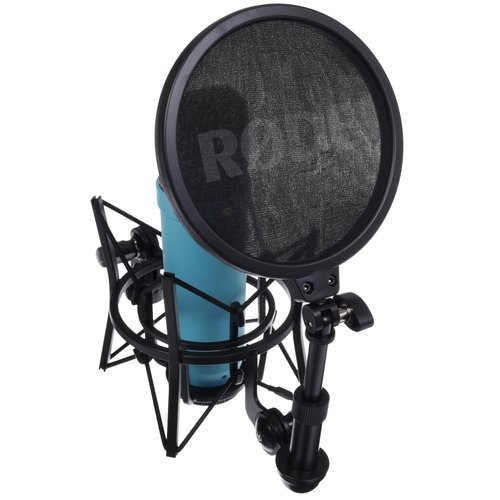
Characteristics Microphone RODE NT1 Signature light blue
General parameters
Type
microphone
Model
RODE NT1 Signature
Manufacturer Code
[NT1 Signature Blue]
Main Color
light blue
Number of Microphones Included
1
Basic microphone parameters
Operating Principle
capacitor
Polar Pattern Switching
none
Microphone Directionality
cardioid
Intended Use
studio
Design
Design
pendant
Manufacture Material
aluminium
Technical specifications
Capsule Diameter
25 mm
Sensitivity
-32 dB
Min Frequency
20 Hz
Max Frequency
20000 Hz
Impedance (Resistance)
100 Ω
Max Sound Pressure Level (SPL Rating)
142 dB
Attenuator
none
Low-Pass Filter
none
Connection
Connection Type
wired
Cable Connector
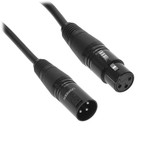
XLR
Connectors
XLR
Functions
Headphone Volume Control
none
Sensitivity Adjustment
none
Monitor Volume Control
none
Microphone Mute Button
none
Headphone Output
none
Flexible Stand
none
Backlight
none
Memory Card Slot
none
Detachable Cable
yes
Extra Contents
Spider Shock Mount
yes
Suspension included
spider
Pantograph
none
Wind Resistance
none
Pop Filter
yes
Power
Power Supply
none
Additional Information
Package Contents
XLR - XLR cable, pop filter, documentation, anti-vibration spider mount
Dimensions and Weight
Microphone Length
189 mm
Microphone Width
52 mm
Mic Height
52 mm
Microphone Weight
313 g
Description
The RODE NT1 Signature microphone kit is housed in a blue aluminum body. The 1-inch HF6 condenser capsule with a low noise level of 4 dBA ensures clear voice and sound reproduction when recording vocals, acoustic and electric instruments, voice acting, and podcasting. The cardioid polar pattern rejects sounds from the sides and rear. The pop filter prevents breath noise and smooths out plosive consonants. The RODE NT1 Signature microphone comes with a shock mount to minimize the transmission of external vibrations. Connection is made via an XLR connector.