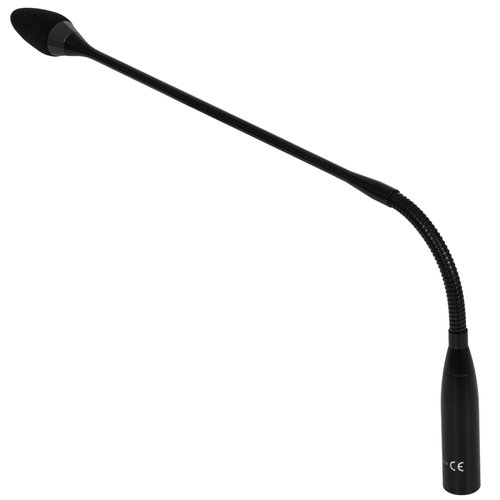
Characteristics Microphone Sennheiser MEG 14-40 black
General parameters
Type
microphone
Model
Sennheiser MEG 14-40
Manufacturer Code
[80004753]
Main Color
black
Number of Microphones Included
1
Basic microphone parameters
Operating Principle
capacitor
Polar Pattern Switching
none
Microphone Directionality
cardioid
Intended Use
studio
Design
Design
pendant
Manufacture Material
metal
Technical specifications
Sensitivity
-36.5 dB
Min Frequency
50 Hz
Max Frequency
20000 Hz
Impedance (Resistance)
100 Ω
Max Sound Pressure Level (SPL Rating)
130 dB
Attenuator
none
Low-Pass Filter
none
Connection
Connection Type
wired
Cable Connector
XLR
Balanced Audio Support
none
Connectors
XLR
Functions
Headphone Volume Control
none
Sensitivity Adjustment
none
Monitor Volume Control
none
Microphone Mute Button
none
Headphone Output
none
Flexible Stand
yes
Backlight
none
Stereo Recording
none
Memory Card Slot
none
Detachable Cable
yes
Extra Contents
Spider Shock Mount
none
Suspension included
none
Pantograph
none
Wind Resistance
yes
Pop Filter
none
Power
Phantom Power Requirement
yes
Power Supply
none
Power Supply Voltage
12-48 V
Additional Information
Package Contents
documentation, wind noise protection
Dimensions and Weight
Microphone Length
80 mm
Microphone Width
80 mm
Mic Height
450 mm
Microphone Weight
147 g
Description
The black Sennheiser MEG 14 - 40 B gooseneck microphone features a 40 cm flexible section that can be adjusted to your needs during operation. The microphone is suitable for recording voice in a studio, as well as for live concerts, presentations, and other public speaking events. It captures and clearly transmits sound across a frequency range of 50–20,000 Hz.
The Sennheiser MEG 14 - 40 B microphone has a cardioid polar pattern, so you should speak and sing directly into the front of the body. It can be connected to equipment via an XLR cable. Phantom power is additionally required to amplify the signal.